
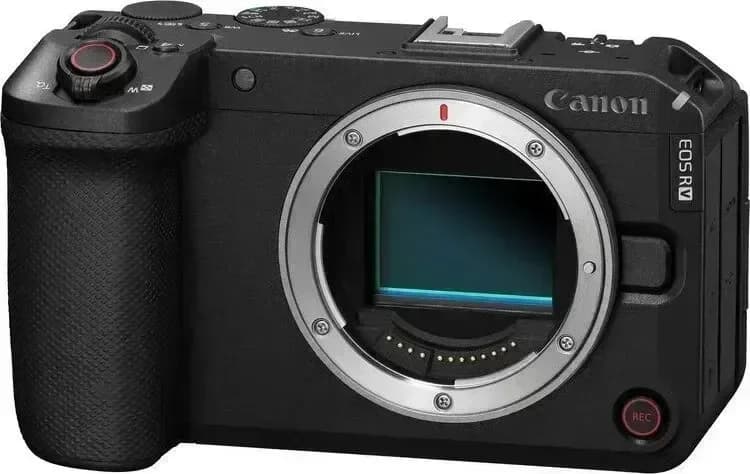
Canon
EOS R6 V
Video-first 32.5MP full-frame EOS V-series body with 7K RAW 60p, 4K 120p, active cooling, and Canon RF mount.
$2,499
Launch priceReleased May 2026
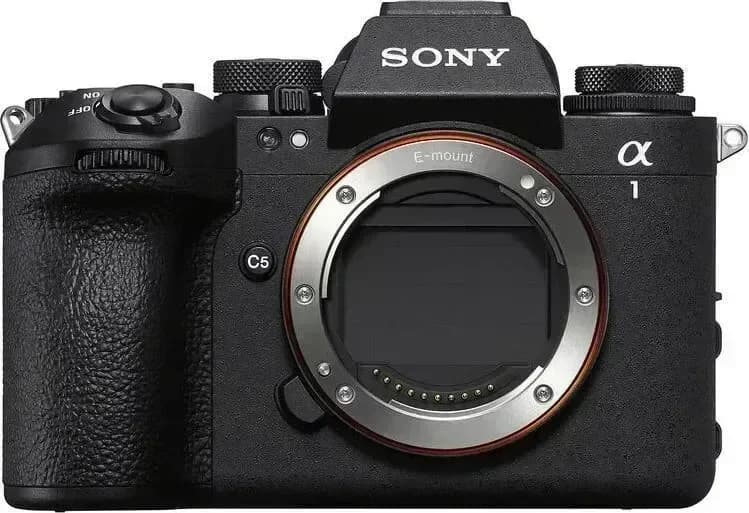
Sony
Alpha 1 II
50MP stacked flagship with 30fps RAW, 8K video, and Sony's fastest hybrid performance.
$6,499
Launch priceReleased Nov 2024
EOS R6 V is 1.5 years newer.
Affiliate disclosure: As an Amazon Associate, Cameraegg earns from qualifying purchases. Cameraegg may also earn commission from B&H links, at no extra cost to you.
Wins
EOS R6 V
Wins
Alpha 1 II
3 categories tied
Which would you choose?
TL;DR — Key differences
- AEOS R6 V has higher Max video bit rate (2600 Mbps vs 150 Mbps)
- AEOS R6 V has higher AF points / zones (6097 vs 759)
- AEOS R6 V has higher ISO max (native) (64,000 vs 32,000)
- BAlpha 1 II has higher Resolution (50.1 MP vs 32.5 MP)
- AEOS R6 V has higher Burst (electronic) (40 fps vs 30 fps)
Key specs at a glance
Size and weight, to scale
📸 Snap this size diff to share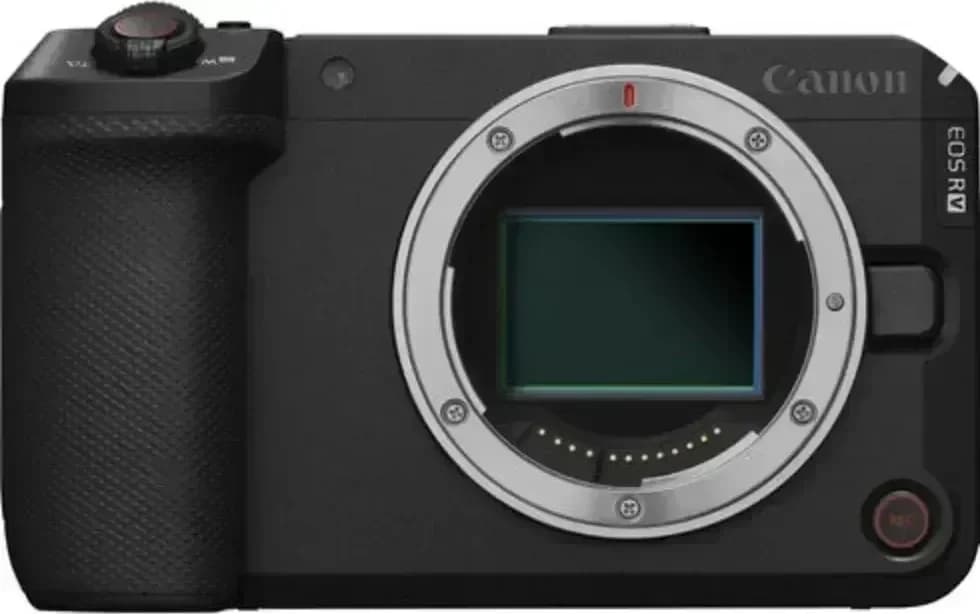
EOS R6 V
142 × 83 × 80 mm
688 g (1.52 lb / 24.27 oz)
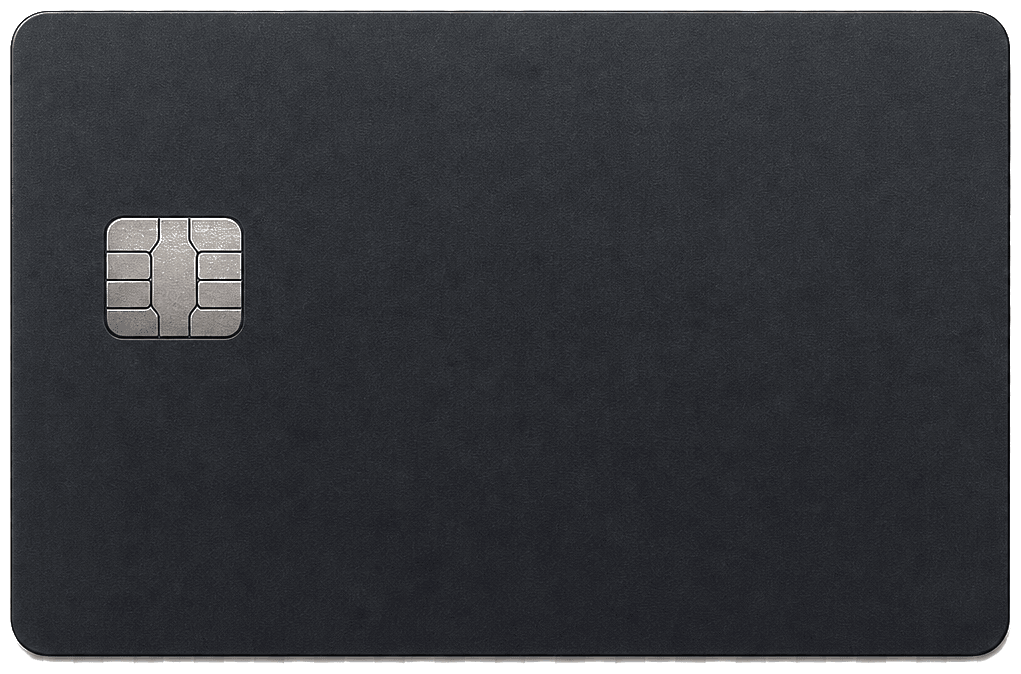
Credit card
85.6 × 54 mm
for scale
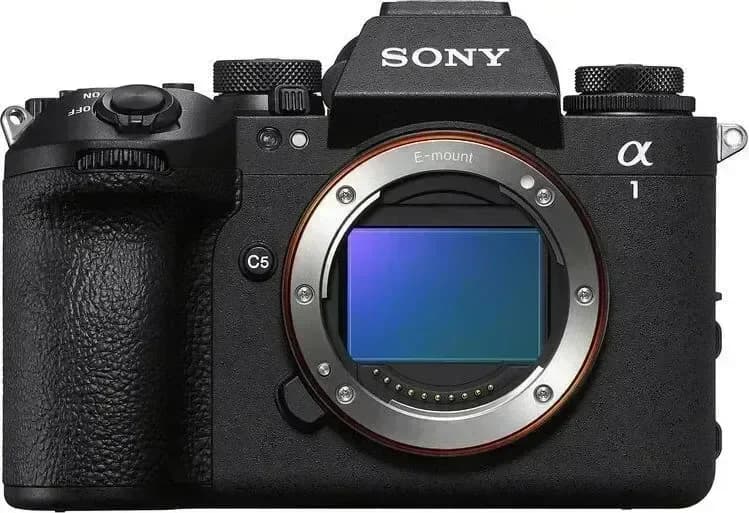
Alpha 1 II
136 × 97 × 83 mm
743 g (1.64 lb / 26.21 oz)
EOS R6 V is 14mm shorter and 3mm thinner than Alpha 1 II but it is also 6mm wider.
EOS R6 V is 55 g lighter than Alpha 1 II.
Depth (front-to-back): 80mm EOS R6 V · 83mm Alpha 1 II
Back view, to scale
Width × Height — same proportions as the front of the body.
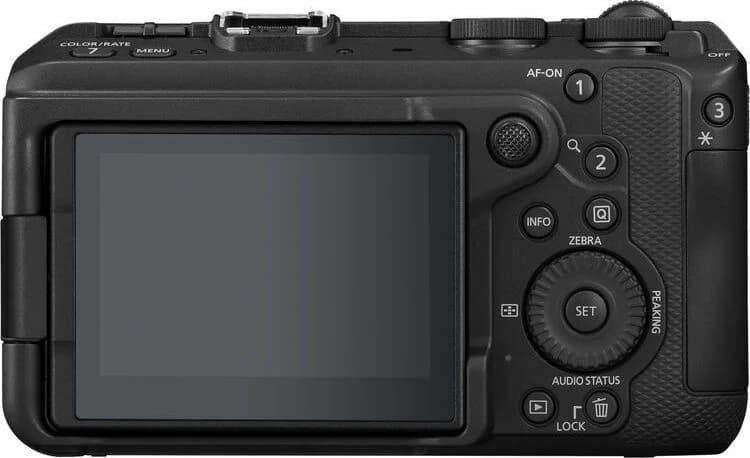
EOS R6 V
142 × 83 mm
Credit card
85.6 × 54 mm
Alpha 1 II
136 × 97 mm
Top view, to scale
Width × Depth (front-to-back) — see which body is chunkier on the table.
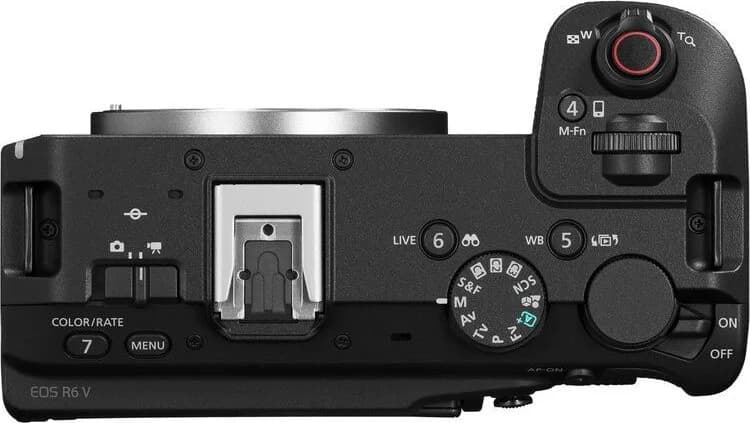
EOS R6 V
142 × 80 mm
Credit card
85.6 × 54 mm
Alpha 1 II
136 × 83 mm
Sensor size, to scale
EOS R6 V
35.9 × 23.9 mm · Full Frame
858 mm² area
Alpha 1 II
35.9 × 24 mm · Full Frame
862 mm² area
Lens ecosystem
Native lens selection
EOS R6 V
Canon RF
105+
native lenses available
Alpha 1 II
✓ more lensesSony E
350+
native lenses available
Counts include current first-party and major third-party native autofocus lenses.
Use-case scoring
Which one for what?
Algorithmic scores from verified specs · 10 = best in class
Why pick one over the other
Reasons to choose
EOS R6 V
AF low-light limit
-6.5 EV vs -4 EV — lower is better
Dimensions (W×H×D mm)
Adds 141.8, 83.3, 79.7
Max video bit rate
2600 Mbps vs 150 Mbps — higher is better
AF points / zones
6097 vs 759 — higher is better
Codecs
Adds RAW, XF-HEVC S, XF-AVC S
ISO max (native)
64,000 vs 32,000 — higher is better
Card types
Adds CFexpress Type B
Subject recognition
Adds Horse, Vehicle, Train
Reasons to choose
Alpha 1 II
Dimensions (W×H×D mm)
Adds 136.1, 96.9, 82.9
Codecs
Adds XAVC HS, XAVC S, XAVC S-I
Card types
Adds CFexpress Type A
Resolution
50.1 MP vs 32.5 MP — higher is better
Subject recognition
Adds Insect, Car/Train
RAW buffer depth
200 frames vs 150 frames — higher is better
IBIS effectiveness
8.5 stops vs 7.5 stops — higher is better
Both cameras share
- ✓AA filter — Both support aa filter
- ✓ISO min (native) — Both 100
- ✓Eye AF — Both support eye af
- ✓Animal / bird AF — Both support animal / bird af
- ✓Pre-Capture / Pre-Release — Both support pre-capture / pre-release
- ✓4K max frame rate — Both 120 fps
Pros & cons at a glance
Editorially curated highlights and trade-offs.
EOS R6 V
Pros
- ✓7K RAW 60p and 7K Open Gate recording
- ✓4K DCI/UHD 120p with no crop
- ✓Dual Pixel CMOS AF II with people, animal, and vehicle detection
- ✓Active cooling for long-form recording
- ✓Full-size HDMI and dual CFexpress/SD card recording
Cons
- –No built-in EVF
- –Single CFexpress Type B slot plus one SD slot
- –Video-first body may be less ideal for stills-first shooters
- –Battery grip not supported
Alpha 1 II
Pros
- ✓50MP stacked sensor
- ✓30fps blackout-free burst
- ✓8K 30p video
- ✓Best Sony AF
Cons
- –Very expensive
- –Complex menus
- –Large files
Decided which one is right for you?
Compare live prices for the EOS R6 V and Alpha 1 II at major authorized retailers.
Canon EOS R6 V
Sony Alpha 1 II
Affiliate disclosure: As an Amazon Associate, Cameraegg earns from qualifying purchases. Cameraegg may also earn commission from B&H links, at no extra cost to you.
Full specifications
✓ = category winner
Frequently asked
Quick answers generated from verified specs.
Which is better for video, EOS R6 V or Alpha 1 II?
Alpha 1 II scores 9.5/10 versus 6.5/10 for EOS R6 V — 8K recording for future-proof footage.
What's the resolution difference between the EOS R6 V and Alpha 1 II?
EOS R6 V is 32.5 MP and Alpha 1 II is 50.1 MP, so the Alpha 1 II captures more detail for cropping and large prints.
Do the EOS R6 V and Alpha 1 II have in-body image stabilization?
EOS R6 V has 7.5-stop in-body image stabilization, while Alpha 1 II has 8.5-stop in-body image stabilization.
Which shoots faster bursts — the EOS R6 V or the Alpha 1 II?
EOS R6 V reaches 40 fps electronic. Alpha 1 II reaches 30 fps electronic.
What's the weight difference between the EOS R6 V and Alpha 1 II?
EOS R6 V weighs 688 g and Alpha 1 II weighs 743 g, so the EOS R6 V is 55 g lighter.
Do the EOS R6 V and Alpha 1 II record 4K video?
EOS R6 V: 4K up to 120p. Alpha 1 II: 8K (max), 4K up to 120p.
Are the EOS R6 V and Alpha 1 II weather sealed?
EOS R6 V: Yes. Alpha 1 II: Yes.
Which has better battery life?
Rated battery life is 640 shots (CIPA) for the EOS R6 V and 520 shots for the Alpha 1 II, giving the EOS R6 V the edge.
How much does each cost?
EOS R6 V launched at $2,499 and Alpha 1 II at $6,499. The EOS R6 V is $4,000 less.
Can't decide between two? Compare a third camera.
Add any camera to get a three-way EOS R6 V vs Alpha 1 II vs X comparison.
Specs sourced from manufacturer data. Use-case scores algorithmically derived. Last reviewed October 2026.
Product images courtesy of Canon and Sony press materials.