
Xtra
Edge
Lightweight 149g action camera with 1/1.3-inch sensor, 4K/120fps, 52ft waterproofing, dual touchscreens, and 180-min battery.
$199
Launch priceReleased Mar 2026
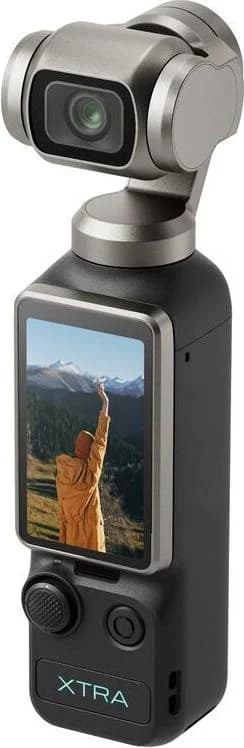
Xtra
Muse
Pocket gimbal camera with 1-inch CMOS sensor, 4K/120fps slow-motion, 3-axis mechanical gimbal, 10-bit X-Log, and 2-inch OLED touchscreen.
$499
Launch priceReleased Sep 2025
Edge is 7 months newer.
Affiliate disclosure: As an Amazon Associate, Cameraegg earns from qualifying purchases. Cameraegg may also earn commission from B&H links, at no extra cost to you.
Wins
Edge
Wins
Muse
3 categories tied
Which would you choose?
TL;DR — Key differences
- BMuse has lower ISO min (native) (50 vs 100)
- AEdge has higher ISO max (native) (12,800 vs 6,400)
- AEdge has higher 4K max frame rate (120 fps vs 60 fps)
- AEdge has higher Battery capacity (1900 mAh vs 1300 mAh)
- AEdge has lower Weight (149 g vs 180 g)
Key specs at a glance
Size and weight, to scale
📸 Snap this size diff to shareEdge
71 × 44 × 33 mm
149 g (0.33 lb / 5.26 oz)
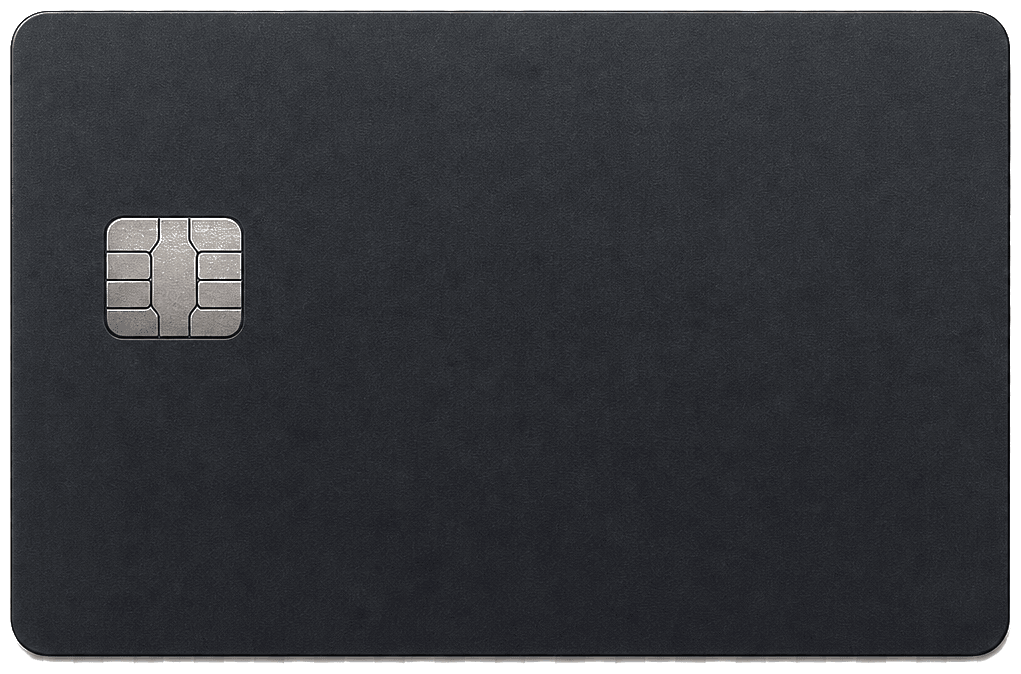
Credit card
85.6 × 54 mm
for scale
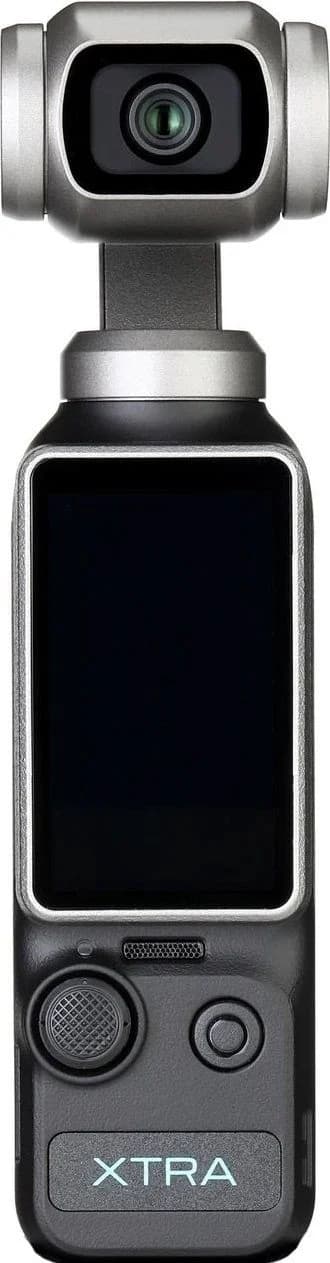
Muse
34 × 140 × 42 mm
180 g (0.40 lb / 6.35 oz)
Edge is 96mm shorter and 9mm thinner than Muse but it is also 37mm wider.
Edge is 31 g lighter than Muse.
Depth (front-to-back): 33mm Edge · 42mm Muse
Back view, to scale
Width × Height — same proportions as the front of the body.
Edge
71 × 44 mm
Credit card
85.6 × 54 mm
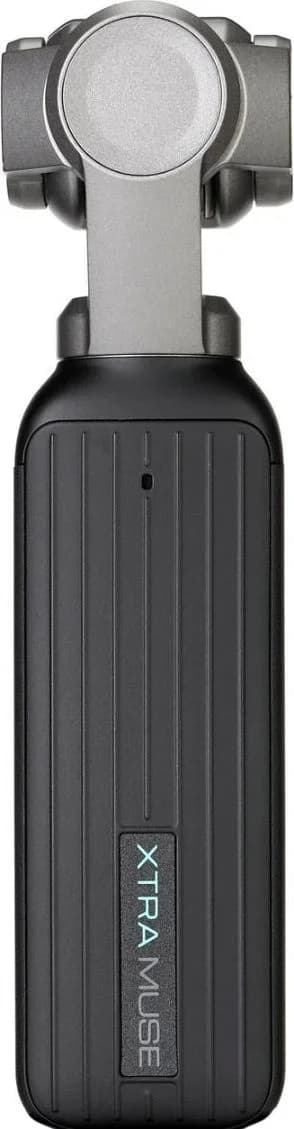
Muse
34 × 140 mm
Top view, to scale
Width × Depth (front-to-back) — see which body is chunkier on the table.
Edge
71 × 33 mm
Credit card
85.6 × 54 mm
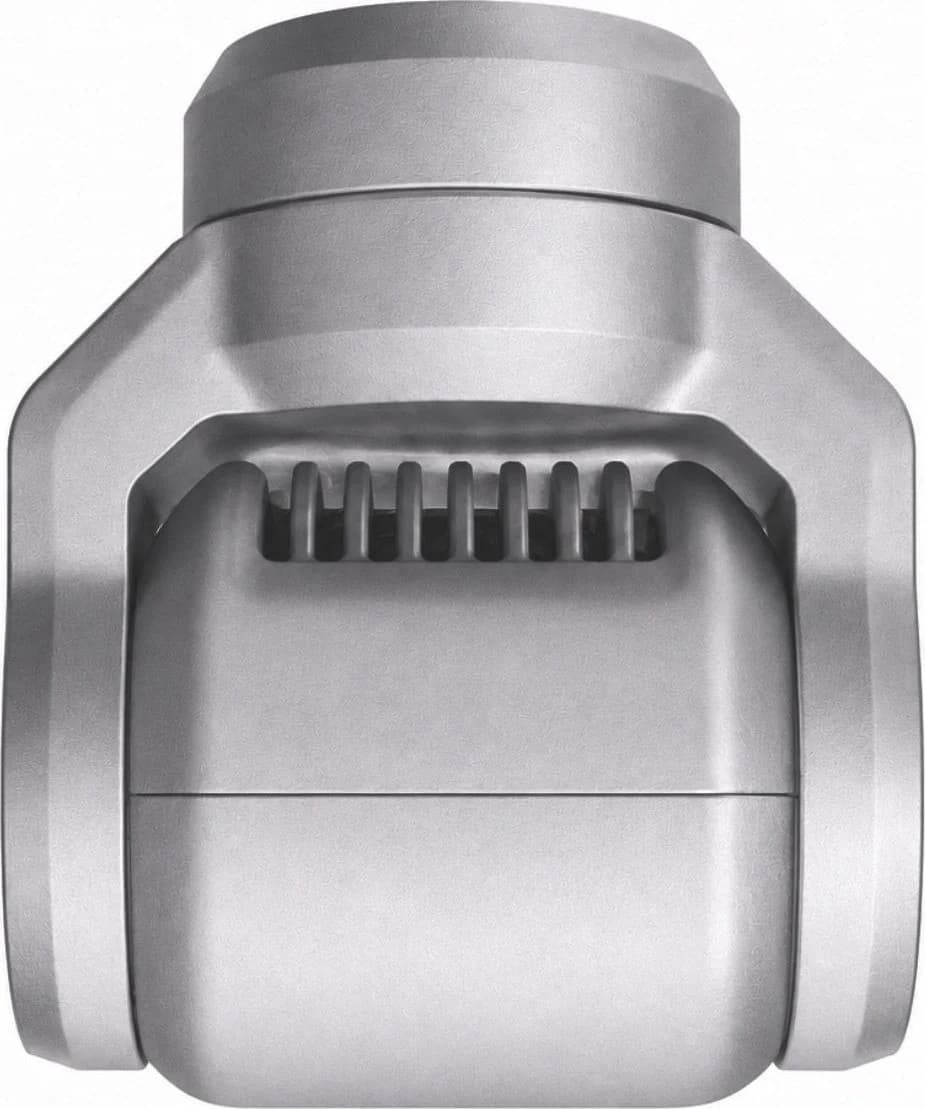
Muse
34 × 42 mm
Sensor size, to scale
Edge
9.6 × 7.2 mm · Compact
69 mm² area
Use-case scoring
Which one for what?
Algorithmic scores from verified specs · 10 = best in class
Why pick one over the other
Reasons to choose
Edge
Codecs
Adds H.264 (AVC), H.265 (HEVC)
Stabilization modes
Adds TiltGuard, MotionMaster
Dimensions (W×H×D mm)
Adds 70.5, 44.2, 32.8
ISO max (native)
12,800 vs 6,400 — higher is better
4K max frame rate
120 fps vs 60 fps — higher is better
Weather sealing
Only Edge supports it
Battery capacity
1900 mAh vs 1300 mAh — higher is better
Weight
149 g vs 180 g — lower is better
Reasons to choose
Muse
Codecs
Adds H.264, H.265
Dimensions (W×H×D mm)
Adds 34, 140, 42.2
ISO min (native)
50 vs 100 — lower is better
Both cameras share
- ✓1080p max frame rate — Both 240 fps
- ✓IBIS effectiveness — Both 6 stops
- ✓Card slots — Both 1
- ✓Touchscreen — Both support touchscreen
- ✓Wi-Fi — Both support wi-fi
- ✓Bluetooth — Both support bluetooth
Pros & cons at a glance
Editorially curated highlights and trade-offs.
Edge
Pros
- ✓1/1.3-inch sensor at $199
- ✓52ft waterproof (no case)
- ✓149g ultra-lightweight
- ✓3-hour battery
Cons
- –No built-in storage
- –Fixed lens
- –No pre-recording
Muse
Pros
- ✓1-inch CMOS at $379
- ✓3-axis mechanical gimbal
- ✓4K/120fps slow-motion
- ✓10-bit X-Log color
Cons
- –No waterproofing
- –Fixed lens
- –No built-in storage
Decided which one is right for you?
Compare live prices for the Edge and Muse at major authorized retailers.
Affiliate disclosure: As an Amazon Associate, Cameraegg earns from qualifying purchases. Cameraegg may also earn commission from B&H links, at no extra cost to you.
Full specifications
✓ = category winner
Frequently asked
Quick answers generated from verified specs.
Which is better for travel, Edge or Muse?
Edge scores 7.0/10 versus 3.5/10 for Muse — 149g — ultralight for all-day carry.
What's the resolution difference between the Edge and Muse?
Edge is 10 MP and Muse is 9.4 MP, so the Edge captures more detail for cropping and large prints.
How does stabilization compare between the Edge and Muse?
Edge uses Electronic stabilization (TiltGuard + MotionMaster) (electronic), while Muse uses a 3-axis mechanical gimbal.
What's the weight difference between the Edge and Muse?
Edge weighs 149 g and Muse weighs 180 g, so the Edge is 31 g lighter.
Do the Edge and Muse record 4K video?
Edge: 4K up to 120p. Muse: 4K up to 60p.
Are the Edge and Muse weather sealed?
Edge: Yes. Muse: No.
Which has better battery runtime?
Edge is rated for about 180 minutes of continuous recording and Muse for about 160 minutes, giving the Edge the edge.
How much does each cost?
Edge launched at $199 and Muse at $499. The Edge is $300 less.
Can't decide between two? Compare a third camera.
Add any camera to get a three-way Edge vs Muse vs X comparison.
Specs sourced from manufacturer data. Use-case scores algorithmically derived. Last reviewed September 2026.
Product images courtesy of Xtra press materials.