
Canon
RF 135mm F1.8 L IS USM
Canon RF Mount
RF 135mm F1.8 L IS USM — 135mm f/1.8 for Canon RF, a popular choice in the canon lineup.
$2,099
Launch priceReleased Aug 2023
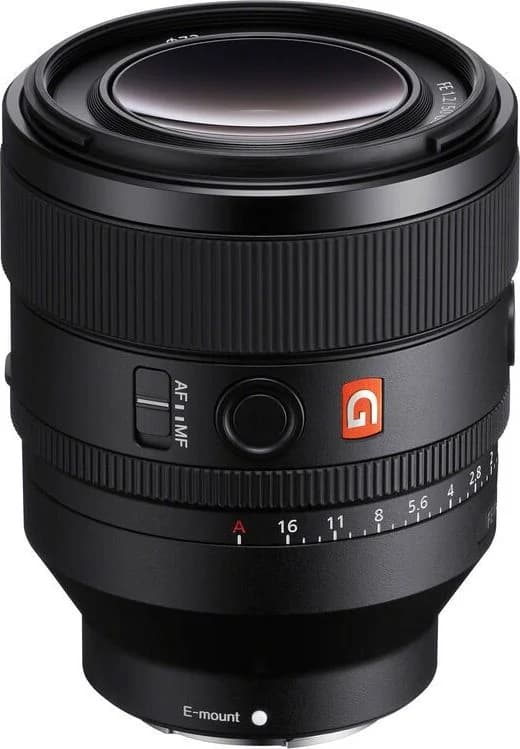
Sony
FE 50mm F1.2 GM
Sony E Mount
Exquisite resolution and dreamy bokeh combine in a masterful f/1.2 prime.
$1,999
Launch priceReleased Mar 2021
RF 135mm F1.8 L IS USM is 2.4 years newer.
Affiliate disclosure: As an Amazon Associate, Cameraegg earns from qualifying purchases. Cameraegg may also earn commission from B&H links, at no extra cost to you.
Wins
RF 135mm F1.8 L IS USM
Wins
FE 50mm F1.2 GM
Which would you choose?
TL;DR — Key differences
- ARF 135mm F1.8 L IS USM has higher OIS effectiveness (5.5 stops vs 0 stops)
- BFE 50mm F1.2 GM has lower Min focus distance (40 cm vs 70 cm)
- ARF 135mm F1.8 L IS USM has higher Max magnification (0.29 × vs 0.17 ×)
- BFE 50mm F1.2 GM has lower Max aperture (Wide) (f/1.2 vs f/1.8)
- BFE 50mm F1.2 GM has lower Max aperture (Tele) (f/1.2 vs f/1.8)
Key specs at a glance
Size and weight, to scale
📸 Snap this lens size diff to shareRF 135mm F1.8 L IS USM
⌀89 × 130 mm
935 g (2.06 lb / 32.98 oz)

Credit card
85.6 × 54 mm
for scale
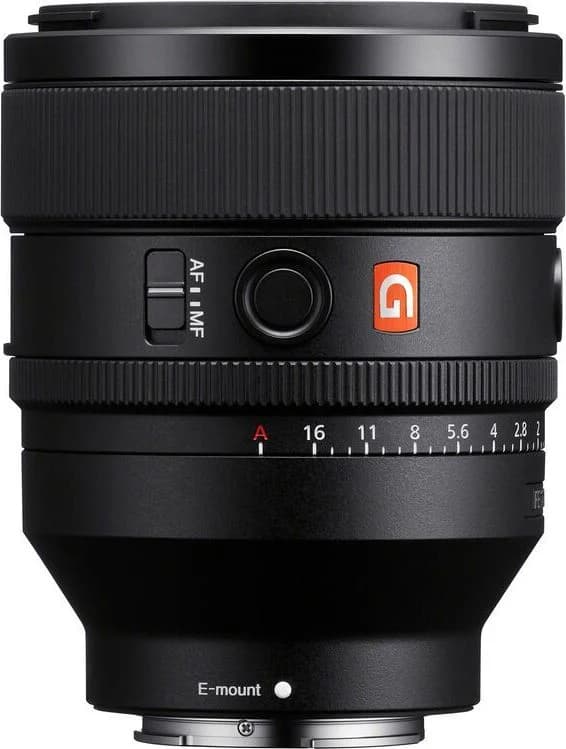
FE 50mm F1.2 GM
⌀87 × 108 mm
778 g (1.72 lb / 27.44 oz)
RF 135mm F1.8 L IS USM is 22mm longer and 2mm wider than FE 50mm F1.2 GM.
RF 135mm F1.8 L IS USM is 157 g heavier than FE 50mm F1.2 GM.
Diameter (⌀) is the maximum barrel width; length is measured from the mount to the front of the lens.
Use-case scoring
Which one for what?
Algorithmic scores from verified specs · 10 = best in class
Why pick one over the other
Reasons to choose the RF 135mm F1.8 L IS USM
- ✓
Special elements
Adds 1 UD, 1 Aspherical
- ✓
OIS effectiveness
5.5 stops vs 0 stops — higher is better
- ✓
Optical stabilization
Only RF 135mm F1.8 L IS USM supports it
- ✓
Max magnification
0.29 × vs 0.17 × — higher is better
Reasons to choose the FE 50mm F1.2 GM
- ✓
Special elements
Adds 3 XA (extreme aspherical)
- ✓
Min focus distance
40 cm vs 70 cm — lower is better
- ✓
Max aperture (Wide)
f/1.2 vs f/1.8 — lower is better
- ✓
Max aperture (Tele)
f/1.2 vs f/1.8 — lower is better
- ✓
Length
108 mm vs 130.4 mm — lower is better
- ✓
Weight
778 g vs 935 g — lower is better
- ✓
Diameter
87 mm vs 89 mm — lower is better
Shared specifications
Internal focus
Both support internal focus
Weather sealing
Both support weather sealing
Control ring
Both support control ring
Custom function button
Both support custom function button
Pros & cons at a glance
Editorially curated highlights and trade-offs.
RF 135mm F1.8 L IS USM
Pros
- ✓Prime design typically delivers strong sharpness and lighter weight
- ✓Built-in optical image stabilization
- ✓Weather-sealed construction for outdoor shooting
Cons
- –Premium price point
- –Relatively heavy for extended handheld use
FE 50mm F1.2 GM
Pros
- ✓Outstanding sharpness wide open at f/1.2
- ✓Stunningly smooth, circular bokeh with 11 aperture blades
- ✓Extremely quiet and fast autofocus tracking
- ✓Manageable size and weight for an f/1.2 lens
Cons
- –Expensive investment for a single focal length
- –Heavy compared to standard f/1.8 options
- –Some visible vignetting wide open
Decided which one is right for you?
Compare live prices for the RF 135mm F1.8 L IS USM and FE 50mm F1.2 GM at major authorized retailers.
Canon RF 135mm F1.8 L IS USM
Sony FE 50mm F1.2 GM
Affiliate disclosure: As an Amazon Associate, Cameraegg earns from qualifying purchases. Cameraegg may also earn commission from B&H links, at no extra cost to you.
Full specifications
✓ = category winner
Specs sourced from manufacturer data. Use-case scores algorithmically derived. Last reviewed September 2026.