
Canon
EOS R6
Original 20MP hybrid that proved Canon mirrorless could match Sony for AF and IBIS.
$2,499
Launch priceReleased Jul 2020
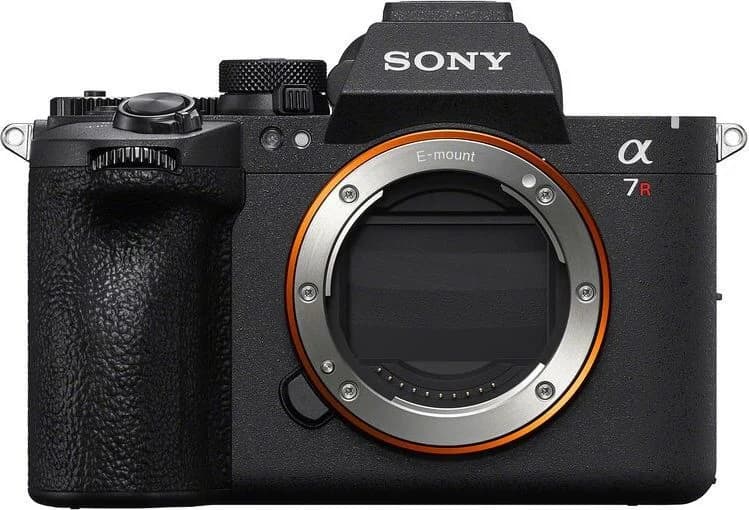
Sony
Alpha 7R VI
66.8MP stacked full-frame high-resolution body with 30fps bursts, 8K 30p, 4K 120p, and Sony's AI processing unit.
$4,499
Launch priceReleased Jun 2026
Alpha 7R VI is 5.9 years newer.
Affiliate disclosure: As an Amazon Associate, Cameraegg earns from qualifying purchases. Cameraegg may also earn commission from B&H links, at no extra cost to you.
Wins
EOS R6
Wins
Alpha 7R VI
2 categories tied
Which would you choose?
TL;DR — Key differences
- BAlpha 7R VI has higher Max video bit rate (600 Mbps vs 150 Mbps)
- BAlpha 7R VI has higher Resolution (66.8 MP vs 20.1 MP)
- AEOS R6 has higher ISO max (native) (102,400 vs 32,000)
- BAlpha 7R VI has higher EVF resolution (9,437,184 vs 3,690,000)
- BAlpha 7R VI has higher 4K max frame rate (120 fps vs 60 fps)
Key specs at a glance
Size and weight, to scale
📸 Snap this size diff to shareEOS R6
138 × 98 × 88 mm
720 g (1.59 lb / 25.40 oz)
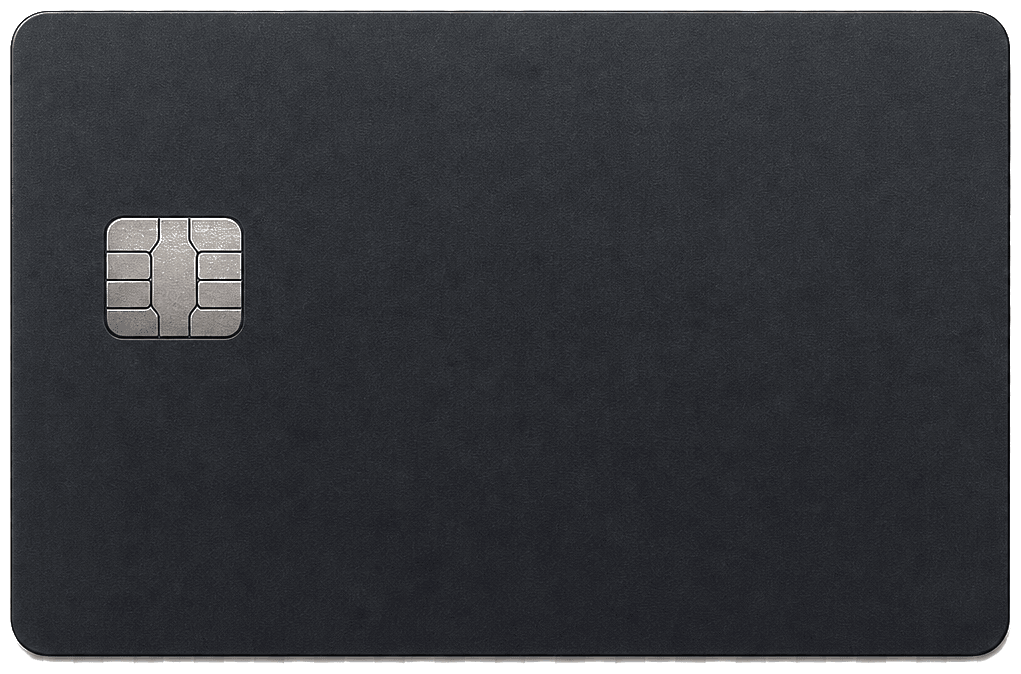
Credit card
85.6 × 54 mm
for scale
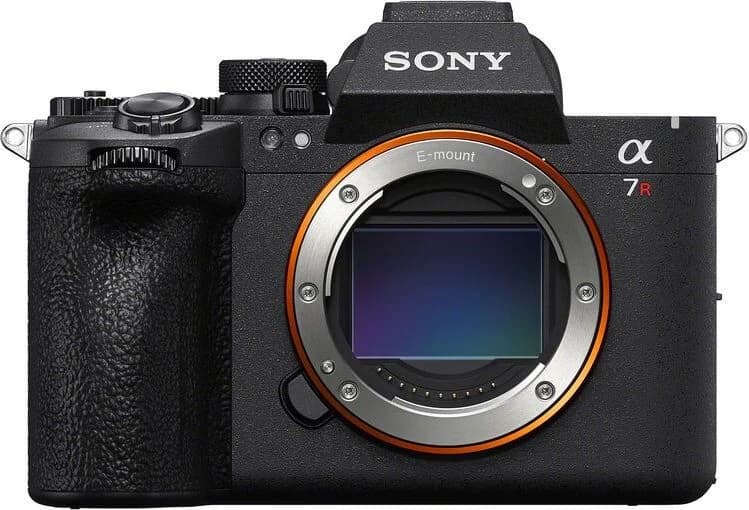
Alpha 7R VI
133 × 97 × 83 mm
713 g (1.57 lb / 25.15 oz)
EOS R6 is 5mm wider, 1mm taller, and 5mm thicker than Alpha 7R VI.
EOS R6 is 7 g heavier than Alpha 7R VI.
Depth (front-to-back): 88mm EOS R6 · 83mm Alpha 7R VI
Back view, to scale
Width × Height — same proportions as the front of the body.
EOS R6
138 × 98 mm
Credit card
85.6 × 54 mm
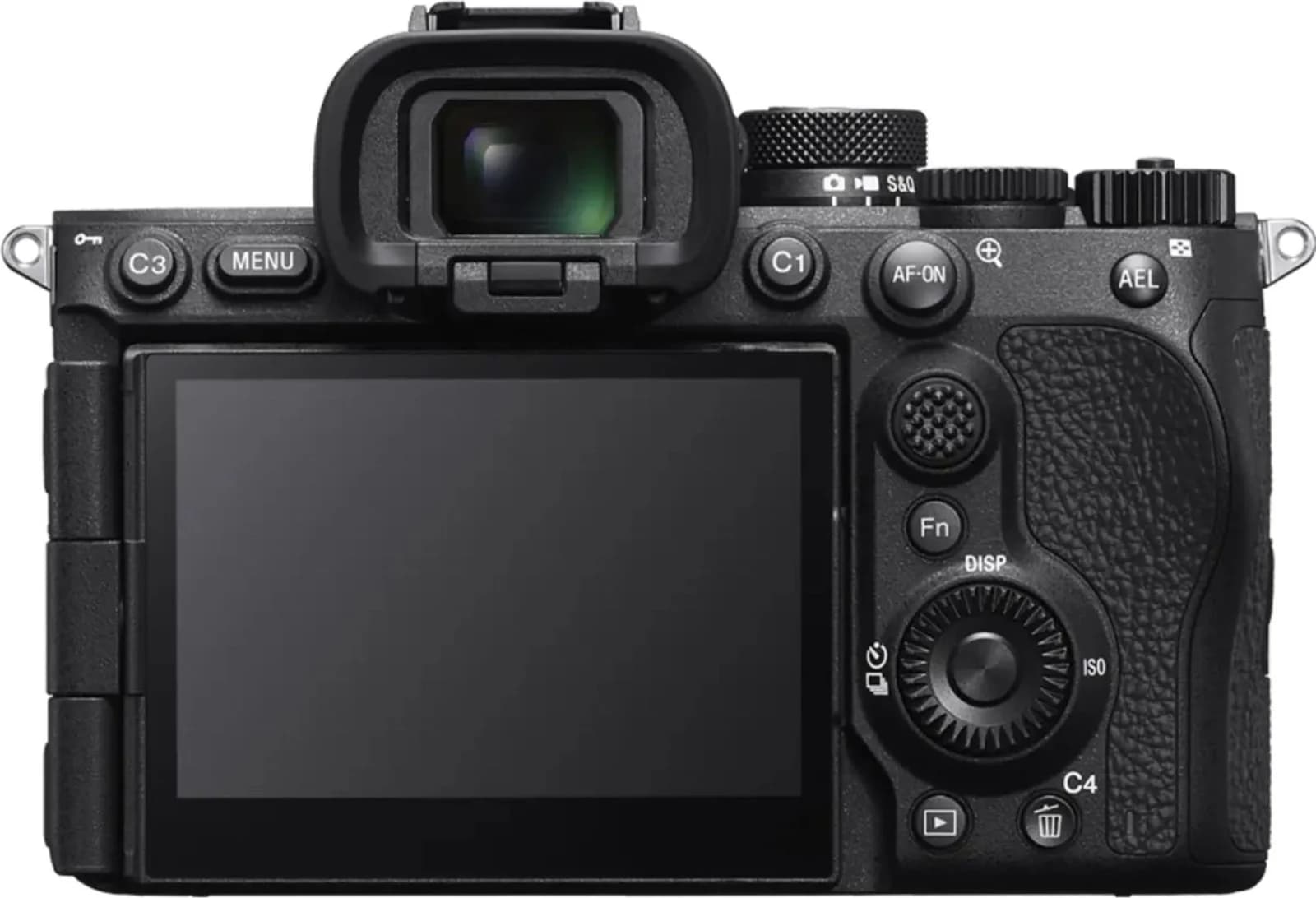
Alpha 7R VI
133 × 97 mm
Top view, to scale
Width × Depth (front-to-back) — see which body is chunkier on the table.
EOS R6
138 × 88 mm
Credit card
85.6 × 54 mm
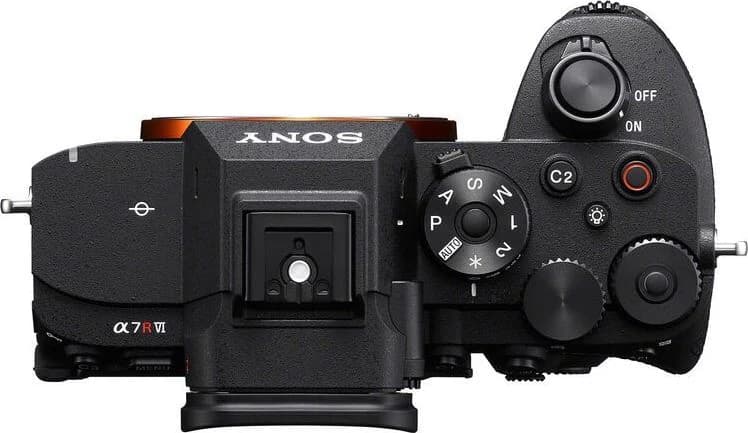
Alpha 7R VI
133 × 83 mm
Sensor size, to scale
EOS R6
35.9 × 23.9 mm · Full Frame
858 mm² area
Alpha 7R VI
35.9 × 24 mm · Full Frame
862 mm² area
Lens ecosystem
Native lens selection
EOS R6
Canon RF
105+
native lenses available
Alpha 7R VI
✓ more lensesSony E
350+
native lenses available
Counts include current first-party and major third-party native autofocus lenses.
Use-case scoring
Which one for what?
Algorithmic scores from verified specs · 10 = best in class
Why pick one over the other
Reasons to choose
EOS R6
Dimensions (W×H×D mm)
Adds 138, 98, 88
Card types
Adds SD UHS-II, SD UHS-II
ISO max (native)
102,400 vs 32,000 — higher is better
AA filter
Only EOS R6 supports it
AF low-light limit
-6.5 EV vs -6 EV — lower is better
Pre-Capture / Pre-Release
Only EOS R6 supports it
Weather sealing
Only EOS R6 supports it
AF points / zones
1053 vs 759 — higher is better
Reasons to choose
Alpha 7R VI
Dimensions (W×H×D mm)
Adds 132.7, 96.9, 82.9
Card types
Adds CFexpress Type A, SDXC UHS-II
Max video bit rate
600 Mbps vs 150 Mbps — higher is better
Resolution
66.8 MP vs 20.1 MP — higher is better
EVF resolution
9,437,184 vs 3,690,000 — higher is better
Codecs
Adds XAVC HS, XAVC S, XAVC S-I
4K max frame rate
120 fps vs 60 fps — higher is better
Subject recognition
Adds Eye, Insect
Both cameras share
- ✓ISO min (native) — Both 100
- ✓Eye AF — Both support eye af
- ✓Animal / bird AF — Both support animal / bird af
- ✓In-body stabilization (IBIS) — Both support in-body stabilization (ibis)
- ✓Card slots — Both 2
- ✓Touchscreen — Both support touchscreen
Pros & cons at a glance
Editorially curated highlights and trade-offs.
EOS R6
Pros
- ✓20MP low-light king
- ✓8-stop IBIS
- ✓4K 60p
- ✓Proven AF
Cons
- –Superseded by R6 II
- –20MP resolution
- –No 40fps
Alpha 7R VI
Pros
- ✓66.8MP stacked full-frame sensor
- ✓30fps blackout-free electronic burst
- ✓8K 30p and 4K 120p video
- ✓5-axis sensor-shift stabilization
- ✓9.44M-dot HDR OLED EVF
Cons
- –Very expensive
- –Large files demand fast cards and storage
- –8K workflow can be heavy
Decided which one is right for you?
Compare live prices for the EOS R6 and Alpha 7R VI at major authorized retailers.
Canon EOS R6
Sony Alpha 7R VI
Affiliate disclosure: As an Amazon Associate, Cameraegg earns from qualifying purchases. Cameraegg may also earn commission from B&H links, at no extra cost to you.
Full specifications
✓ = category winner
Frequently asked
Quick answers generated from verified specs.
Which is better for wildlife, EOS R6 or Alpha 7R VI?
EOS R6 scores 10.0/10 versus 6.5/10 for Alpha 7R VI — 20fps burst captures fleeting moments.
What's the resolution difference between the EOS R6 and Alpha 7R VI?
EOS R6 is 20.1 MP and Alpha 7R VI is 66.8 MP, so the Alpha 7R VI captures more detail for cropping and large prints.
Do the EOS R6 and Alpha 7R VI have in-body image stabilization?
EOS R6 has 8-stop in-body image stabilization, while Alpha 7R VI has in-body image stabilization.
Which shoots faster bursts — the EOS R6 or the Alpha 7R VI?
EOS R6 reaches 20 fps electronic. Alpha 7R VI reaches 30 fps electronic.
What's the weight difference between the EOS R6 and Alpha 7R VI?
EOS R6 weighs 720 g and Alpha 7R VI weighs 713 g, so the Alpha 7R VI is 7 g lighter.
Do the EOS R6 and Alpha 7R VI record 4K video?
EOS R6: 4K up to 60p. Alpha 7R VI: 8K (max), 4K up to 120p.
Are the EOS R6 and Alpha 7R VI weather sealed?
EOS R6: Yes. Alpha 7R VI: No.
Which has better battery life?
Rated battery life is 640 shots (CIPA) for the EOS R6 and 600 shots for the Alpha 7R VI, giving the EOS R6 the edge.
How much does each cost?
EOS R6 launched at $2,499 and Alpha 7R VI at $4,499. The EOS R6 is $2,000 less.
Can't decide between two? Compare a third camera.
Add any camera to get a three-way EOS R6 vs Alpha 7R VI vs X comparison.
Specs sourced from manufacturer data. Use-case scores algorithmically derived. Last reviewed October 2026.
Product images courtesy of Canon and Sony press materials.