
Sony
Alpha 6300
Weather-sealed APS-C workhorse that proved Sony could dominate enthusiast mirrorless.
$999
Launch priceReleased Feb 2016
Sony
Alpha 6500
APS-C flagship with 5-axis IBIS, weather sealing, and the same 24MP sensor as the a6300.
$1,399
Launch priceReleased Oct 2016
Alpha 6500 is 8 months newer.
Affiliate disclosure: As an Amazon Associate, Cameraegg earns from qualifying purchases. Cameraegg may also earn commission from B&H links, at no extra cost to you.
Wins
Alpha 6300
Wins
Alpha 6500
16 categories tied
Which would you choose?
TL;DR — Key differences
- AAlpha 6300 has higher IBIS effectiveness (6 stops vs 5 stops)
- AAlpha 6300 has lower Weight (404 g vs 453 g)
Key specs at a glance
Size and weight, to scale
📸 Snap this size diff to shareAlpha 6300
120 × 67 × 49 mm
404 g (0.89 lb / 14.25 oz)
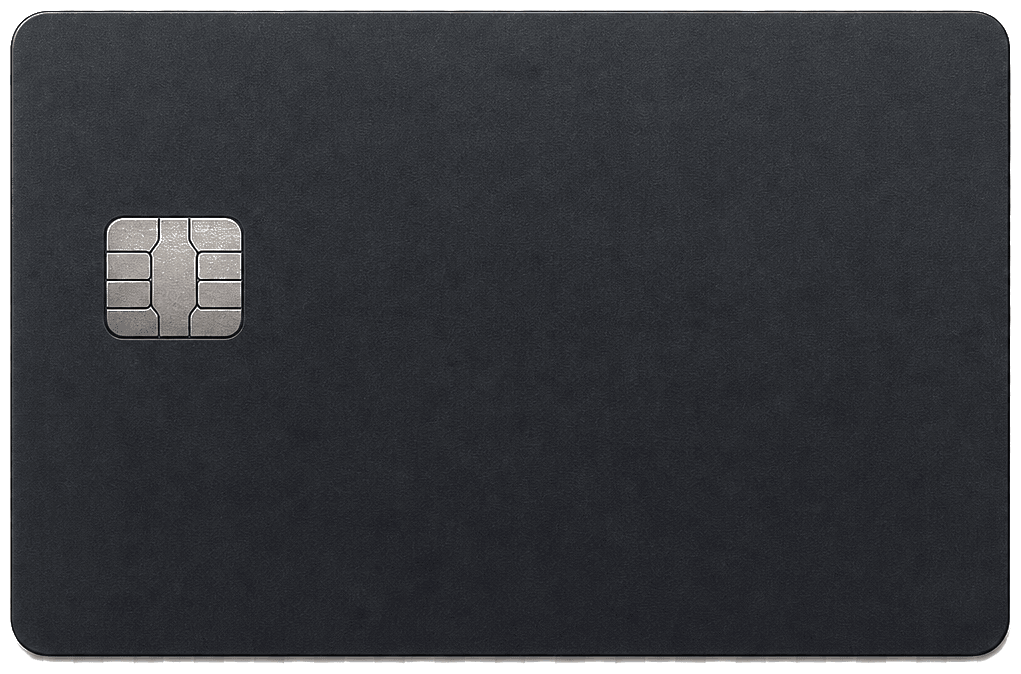
Credit card
85.6 × 54 mm
for scale
Alpha 6500
120 × 67 × 53 mm
453 g (1.00 lb / 15.98 oz)
Alpha 6300 is 4mm thinner than Alpha 6500.
Alpha 6300 is 49 g lighter than Alpha 6500.
Depth (front-to-back): 49mm Alpha 6300 · 53mm Alpha 6500
Sensor size, to scale
Alpha 6300
23.5 × 15.6 mm · APS-C
367 mm² area
Alpha 6500
23.5 × 15.6 mm · APS-C
367 mm² area
Lens ecosystem
Native lens selection
Alpha 6300
✓ more lensesSony E
350+
native lenses available
Alpha 6500
✓ more lensesSony E
350+
native lenses available
Counts include current first-party and major third-party native autofocus lenses.
Use-case scoring
Which one for what?
Algorithmic scores from verified specs · 10 = best in class
Why pick one over the other
Reasons to choose
Alpha 6300
Dimensions (W×H×D mm)
Adds 48.8
IBIS effectiveness
6 stops vs 5 stops — higher is better
Weight
404 g vs 453 g — lower is better
Reasons to choose
Alpha 6500
Dimensions (W×H×D mm)
Adds 53.2
Both cameras share
- ✓Resolution — Both 24.2 MP
- ✓AA filter — Both support aa filter
- ✓ISO min (native) — Both 100
- ✓ISO max (native) — Both 25,600
- ✓AF points / zones — Both 759
- ✓AF frame coverage — Both 94 %
Pros & cons at a glance
Editorially curated highlights and trade-offs.
Alpha 6300
Pros
- ✓Weather sealed
- ✓425-point AF
- ✓4K video
- ✓Great used value
Cons
- –No IBIS
- –Older menu system
- –Superseded
Alpha 6500
Pros
- ✓IBIS in APS-C
- ✓Weather sealed
- ✓Touchscreen
- ✓Strong AF for era
Cons
- –Superseded by a6600/a6700
- –Older 4K codec
- –Small body ergonomics
Decided which one is right for you?
Compare live prices for the Alpha 6300 and Alpha 6500 at major authorized retailers.
Sony Alpha 6300
Sony Alpha 6500
Affiliate disclosure: As an Amazon Associate, Cameraegg earns from qualifying purchases. Cameraegg may also earn commission from B&H links, at no extra cost to you.
Full specifications
✓ = category winner
Frequently asked
Quick answers generated from verified specs.
Which is better for portraits, Alpha 6300 or Alpha 6500?
Alpha 6300 scores 6.5/10 versus 6.5/10 for Alpha 6500 — 24.2MP — solid resolution.
What's the resolution difference between the Alpha 6300 and Alpha 6500?
Both cameras share the same 24.2 MP resolution.
Do the Alpha 6300 and Alpha 6500 have in-body image stabilization?
Alpha 6300 has 6-stop in-body image stabilization, while Alpha 6500 has 5-stop in-body image stabilization.
Which shoots faster bursts — the Alpha 6300 or the Alpha 6500?
Alpha 6300 reaches 15 fps electronic. Alpha 6500 reaches 15 fps electronic.
What's the weight difference between the Alpha 6300 and Alpha 6500?
Alpha 6300 weighs 404 g and Alpha 6500 weighs 453 g, so the Alpha 6300 is 49 g lighter.
Do the Alpha 6300 and Alpha 6500 record 4K video?
Alpha 6300: 4K up to 60p. Alpha 6500: 4K up to 60p.
Are the Alpha 6300 and Alpha 6500 weather sealed?
Alpha 6300: Yes. Alpha 6500: Yes.
Which has better battery life?
Rated battery life is 640 shots (CIPA) for the Alpha 6300 and 640 shots for the Alpha 6500, giving the Alpha 6500 the edge.
How much does each cost?
Alpha 6300 launched at $999 and Alpha 6500 at $1,399. The Alpha 6300 is $400 less.
Can't decide between two? Compare a third camera.
Add any camera to get a three-way Alpha 6300 vs Alpha 6500 vs X comparison.
Specs sourced from manufacturer data. Use-case scores algorithmically derived. Last reviewed September 2026.