
Canon
RF-S 10-18mm F4.5-6.3 IS STM
Canon RF Mount
RF-S 10-18mm F4.5-6.3 IS STM — 10–18mm f/4.5-6.3 for Canon RF, a popular choice in the canon lineup.
$329
Launch priceReleased Apr 2024
Nikon
NIKKOR Z 24-70mm f/2.8 S
Nikon Z Mount
Nikon's flagship S-Line standard zoom offering incredible resolution and custom OLED info panel.
$2,299
Launch priceReleased Feb 2019
RF-S 10-18mm F4.5-6.3 IS STM is 5.2 years newer.
Affiliate disclosure: As an Amazon Associate, Cameraegg earns from qualifying purchases. Cameraegg may also earn commission from B&H links, at no extra cost to you.
Wins
RF-S 10-18mm F4.5-6.3 IS STM
Wins
NIKKOR Z 24-70mm f/2.8 S
TL;DR — Key differences
- ARF-S 10-18mm F4.5-6.3 IS STM has higher OIS effectiveness (4 stops vs 0 stops)
- ARF-S 10-18mm F4.5-6.3 IS STM has lower Weight (165 g vs 805 g)
- ARF-S 10-18mm F4.5-6.3 IS STM has lower Length (44.6 mm vs 126 mm)
- ARF-S 10-18mm F4.5-6.3 IS STM has lower Min focus distance (15 cm vs 38 cm)
- BNIKKOR Z 24-70mm f/2.8 S has lower Max aperture (Tele) (f/2.8 vs f/6.3)
Key specs at a glance
Size and weight, to scale
RF-S 10-18mm F4.5-6.3 IS STM
⌀69 × 45 mm
165 g (0.36 lb / 5.82 oz)
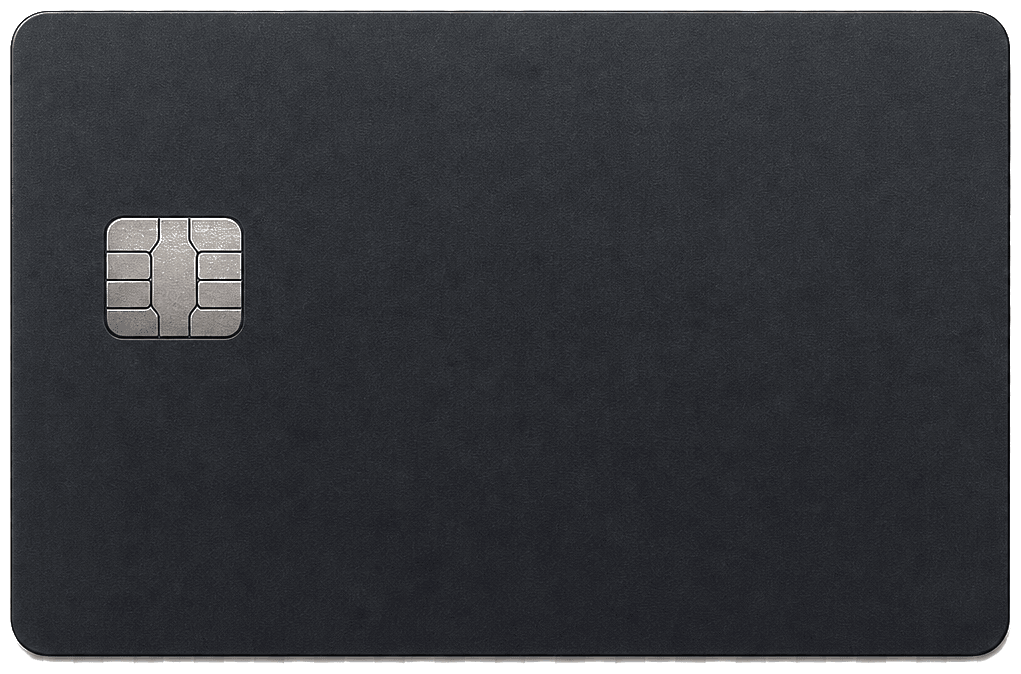
Credit card
85.6 × 54 mm
for scale
NIKKOR Z 24-70mm f/2.8 S
⌀89 × 126 mm
805 g (1.77 lb / 28.40 oz)
RF-S 10-18mm F4.5-6.3 IS STM is 81mm shorter and 20mm narrower than NIKKOR Z 24-70mm f/2.8 S.
RF-S 10-18mm F4.5-6.3 IS STM is 640 g lighter than NIKKOR Z 24-70mm f/2.8 S.
Diameter (⌀) is the maximum barrel width; length is measured from the mount to the front of the lens.
Use-case scoring
Which one for what?
Algorithmic scores from verified specs · 10 = best in class
Why pick one over the other
Reasons to choose the RF-S 10-18mm F4.5-6.3 IS STM
- ✓
Special elements
Adds 1 Aspherical, 1 UD
- ✓
OIS effectiveness
4 stops vs 0 stops — higher is better
- ✓
Weight
165 g vs 805 g — lower is better
- ✓
Length
44.6 mm vs 126 mm — lower is better
- ✓
Min focus distance
15 cm vs 38 cm — lower is better
- ✓
Optical stabilization
Only RF-S 10-18mm F4.5-6.3 IS STM supports it
- ✓
Diameter
69.2 mm vs 89 mm — lower is better
Reasons to choose the NIKKOR Z 24-70mm f/2.8 S
- ✓
Special elements
Adds 2 ED, 4 Aspherical
- ✓
Max aperture (Tele)
f/2.8 vs f/6.3 — lower is better
- ✓
Weather sealing
Only NIKKOR Z 24-70mm f/2.8 S supports it
- ✓
Control ring
Only NIKKOR Z 24-70mm f/2.8 S supports it
- ✓
Custom function button
Only NIKKOR Z 24-70mm f/2.8 S supports it
- ✓
Max aperture (Wide)
f/2.8 vs f/4.5 — lower is better
- ✓
Max magnification
0.22 × vs 0.17 × — higher is better
Shared specifications
Internal focus
Both support internal focus
Pros & cons at a glance
Editorially curated highlights and trade-offs.
RF-S 10-18mm F4.5-6.3 IS STM
Pros
- ✓Versatile zoom range covers multiple focal lengths in one lens
- ✓Built-in optical image stabilization
- ✓Lightweight design easy to carry all day
Cons
- –Slower maximum aperture limits low-light performance
- –Third-party or older alternatives may offer better value
NIKKOR Z 24-70mm f/2.8 S
Pros
- ✓Stunning resolution and contrast across zoom range
- ✓OLED information panel displays focal length, focus, or aperture
- ✓Multi-focusing stepping motor system for silent, rapid AF
- ✓Almost zero focus breathing
Cons
- –No optical stabilization (relies on Nikon body IBIS)
- –No mechanical aperture ring (uses control ring instead)
Decided which one is right for you?
Compare live prices for the RF-S 10-18mm F4.5-6.3 IS STM and NIKKOR Z 24-70mm f/2.8 S at major authorized retailers.
Canon RF-S 10-18mm F4.5-6.3 IS STM
Nikon NIKKOR Z 24-70mm f/2.8 S
Affiliate disclosure: As an Amazon Associate, Cameraegg earns from qualifying purchases. Cameraegg may also earn commission from B&H links, at no extra cost to you.
Full specifications
✓ = category winner
Specs sourced from manufacturer data. Use-case scores algorithmically derived. Last reviewed June 2026.