
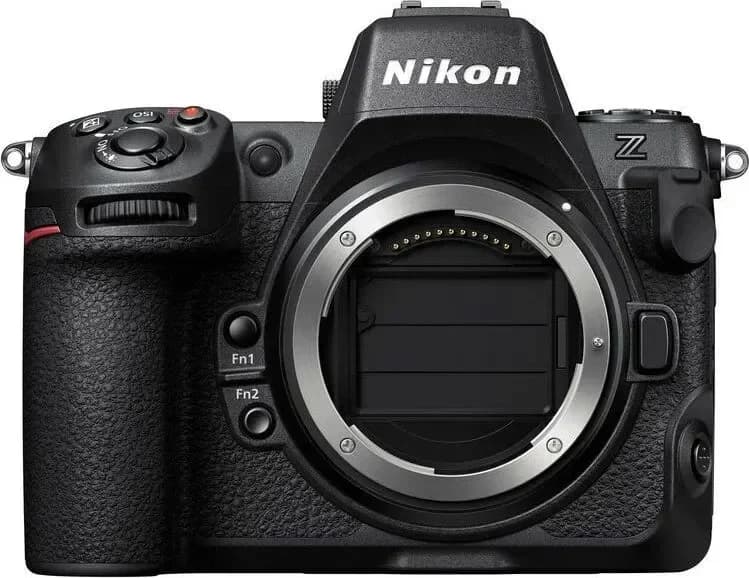
Nikon
Z8
Z9 internals in a compact body — 45.7MP stacked sensor, 8K 60p, no blackout burst.
$3,999
Launch priceReleased May 2023
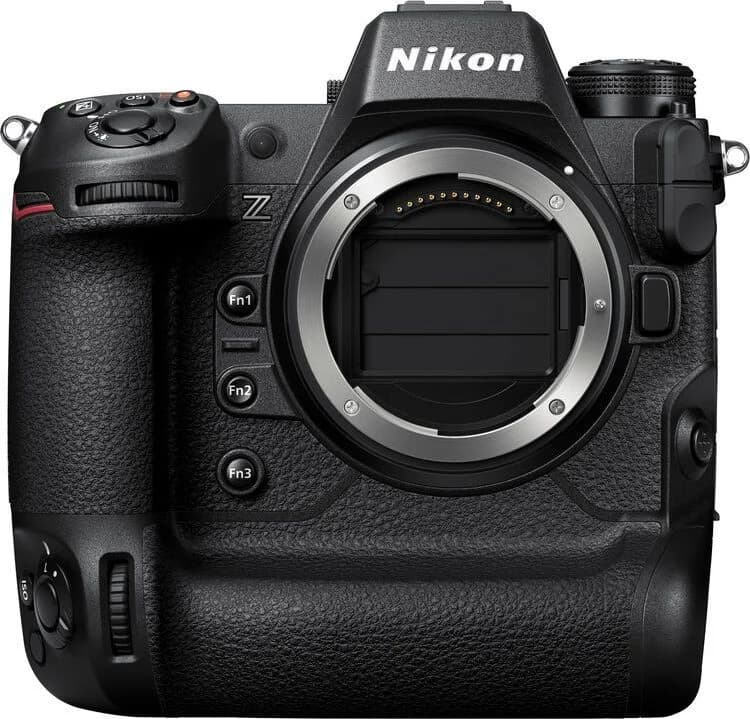
Nikon
Z9
Flagship stacked mirrorless with 45MP, 8K video, and no mechanical shutter.
$5,499
Launch priceReleased Oct 2021
Z8 is 1.5 years newer.
Affiliate disclosure: As an Amazon Associate, Cameraegg earns from qualifying purchases. Cameraegg may also earn commission from B&H links, at no extra cost to you.
Wins
Z8
Wins
Z9
13 categories tied
Which would you choose?
TL;DR — Key differences
- BZ9 has higher Battery life (CIPA) (740 shots vs 340 shots)
- AZ8 has lower Weight (820 g vs 1160 g)
- AZ8 has lower AF low-light limit (-9 EV vs -8.5 EV)
Key specs at a glance
Size and weight, to scale
📸 Snap this size diff to share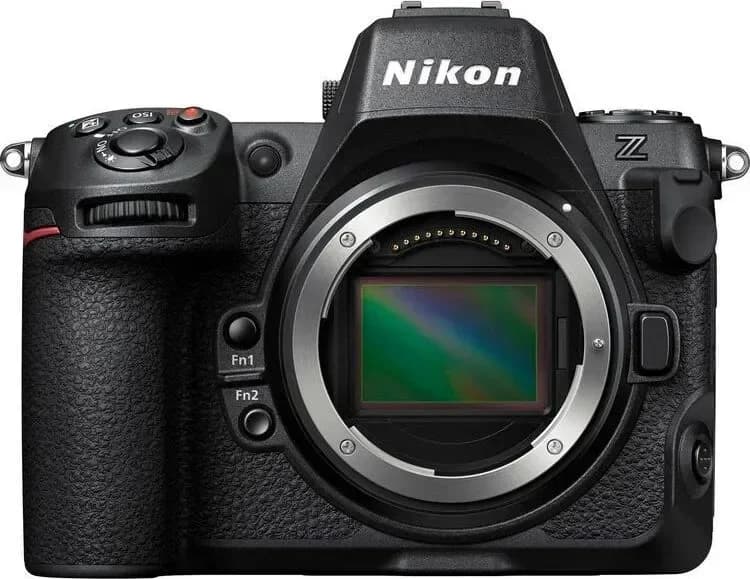
Z8
144 × 119 × 83 mm
820 g (1.81 lb / 28.92 oz)
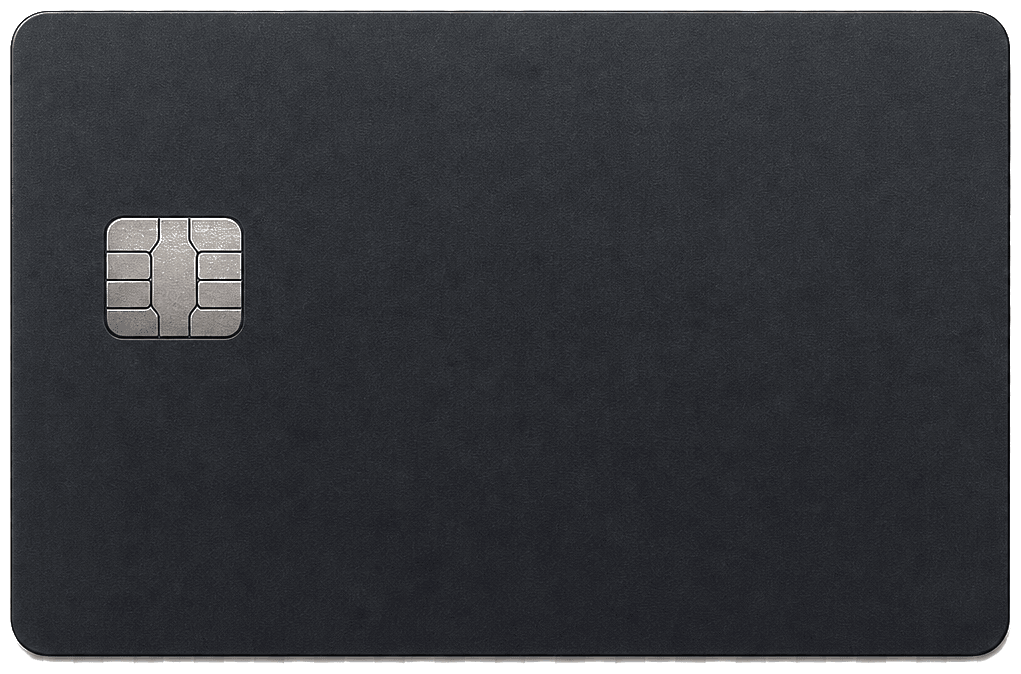
Credit card
85.6 × 54 mm
for scale
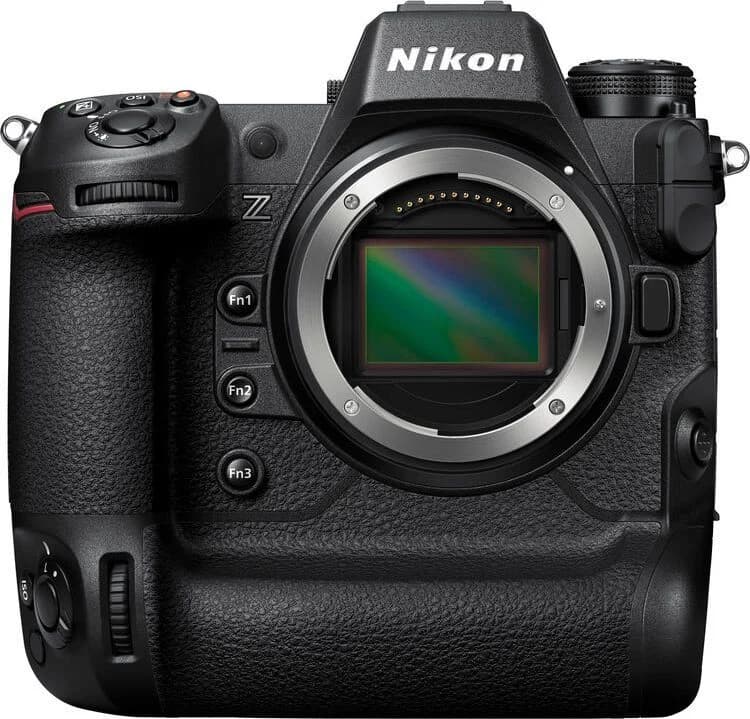
Z9
149 × 150 × 91 mm
1160 g (2.56 lb / 40.92 oz)
Z8 is 5mm narrower, 31mm shorter, and 8mm thinner than Z9.
Z8 is 340 g lighter than Z9.
Depth (front-to-back): 83mm Z8 · 91mm Z9
Back view, to scale
Width × Height — same proportions as the front of the body.
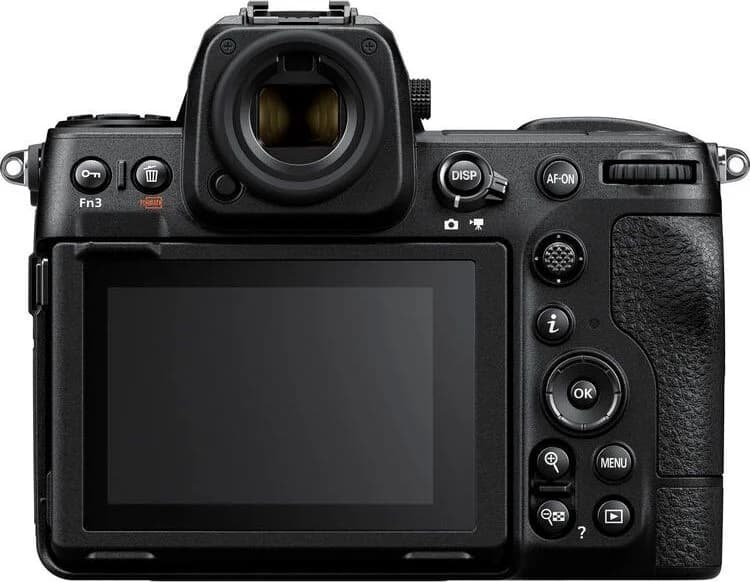
Z8
144 × 119 mm
Credit card
85.6 × 54 mm
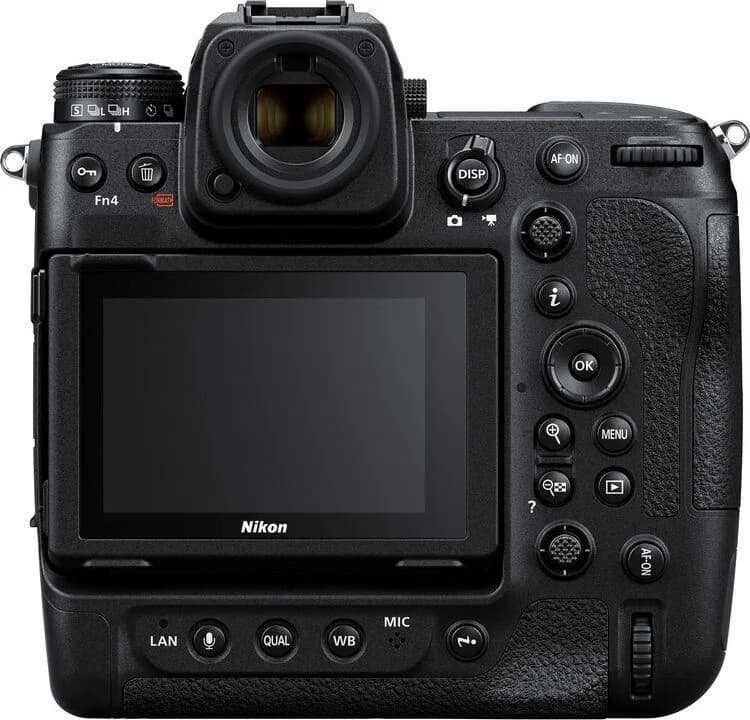
Z9
149 × 150 mm
Top view, to scale
Width × Depth (front-to-back) — see which body is chunkier on the table.
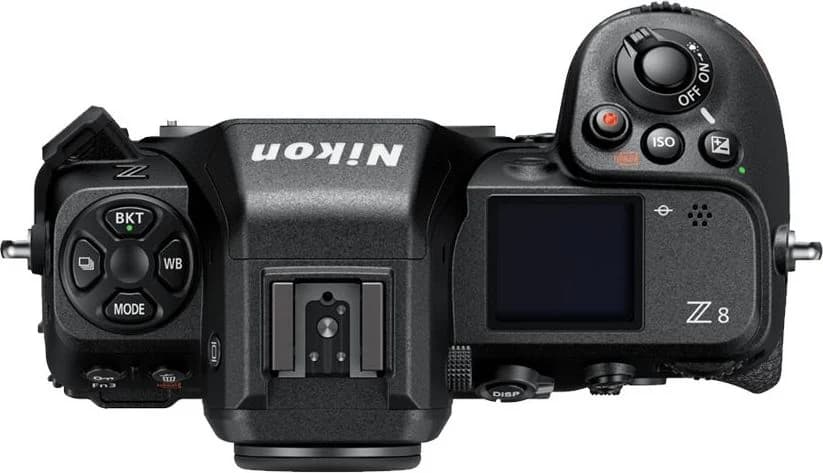
Z8
144 × 83 mm
Credit card
85.6 × 54 mm
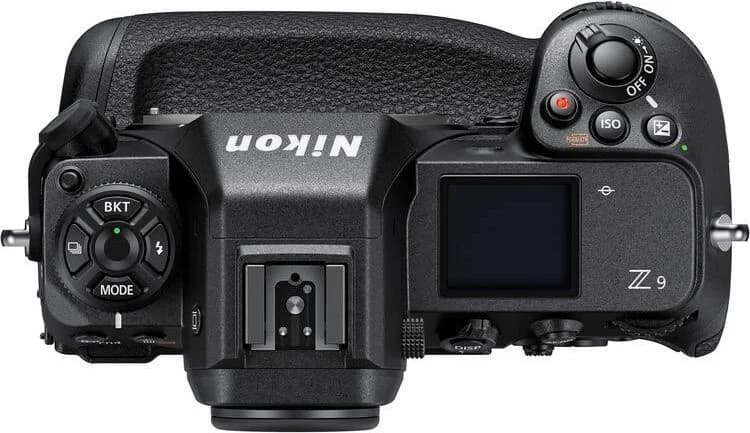
Z9
149 × 91 mm
Sensor size, to scale
Z8
35.9 × 23.9 mm · Full Frame
858 mm² area
Z9
35.9 × 23.9 mm · Full Frame
858 mm² area
Lens ecosystem
Native lens selection
Z8
✓ more lensesNikon Z
90+
native lenses available
Z9
✓ more lensesNikon Z
90+
native lenses available
Counts include current first-party and major third-party native autofocus lenses.
Use-case scoring
Which one for what?
Algorithmic scores from verified specs · 10 = best in class
Why pick one over the other
Reasons to choose
Z8
Dimensions (W×H×D mm)
Adds 144, 118.5, 83
AF low-light limit
-9 EV vs -8.5 EV — lower is better
Card types
Adds SD UHS-II
Weight
820 g vs 1160 g — lower is better
Reasons to choose
Z9
Dimensions (W×H×D mm)
Adds 149, 149.5, 90.5
Battery life (CIPA)
740 shots vs 340 shots — higher is better
Both cameras share
- ✓Resolution — Both 45.7 MP
- ✓ISO min (native) — Both 64
- ✓ISO max (native) — Both 25,600
- ✓AF points / zones — Both 493
- ✓Eye AF — Both support eye af
- ✓Animal / bird AF — Both support animal / bird af
Pros & cons at a glance
Editorially curated highlights and trade-offs.
Z8
Pros
- ✓45.7MP stacked CMOS from Z9 — class-leading
- ✓8K 60p N-RAW internal
- ✓No mechanical shutter wear — fully electronic
- ✓20fps at full 45.7MP resolution
Cons
- –EN-EL15c battery life only 340 CIPA shots
- –No built-in grip (unlike Z9)
Z9
Pros
- ✓45MP stacked
- ✓8K 60p internal
- ✓120fps stills
- ✓Pro build
Cons
- –Heavy body
- –Expensive
- –Large files
Decided which one is right for you?
Compare live prices for the Z8 and Z9 at major authorized retailers.
Affiliate disclosure: As an Amazon Associate, Cameraegg earns from qualifying purchases. Cameraegg may also earn commission from B&H links, at no extra cost to you.
Full specifications
✓ = category winner
Frequently asked
Quick answers generated from verified specs.
Which is better for travel, Z8 or Z9?
Z9 scores 5.5/10 versus 4.5/10 for Z8 — 740 shots/charge — all-day shooting.
What's the resolution difference between the Z8 and Z9?
Both cameras share the same 45.7 MP resolution.
Do the Z8 and Z9 have in-body image stabilization?
Z8 has 6-stop in-body image stabilization, while Z9 has 6-stop in-body image stabilization.
Which shoots faster bursts — the Z8 or the Z9?
Z8 reaches 120 fps electronic. Z9 reaches 120 fps electronic.
What's the weight difference between the Z8 and Z9?
Z8 weighs 820 g and Z9 weighs 1160 g, so the Z8 is 340 g lighter.
Do the Z8 and Z9 record 4K video?
Z8: 8K UHD (max), 4K up to 120p. Z9: 8K UHD (max), 4K up to 120p.
Are the Z8 and Z9 weather sealed?
Z8: Yes. Z9: Yes.
Which has better battery life?
Rated battery life is 340 shots (CIPA) for the Z8 and 740 shots for the Z9, giving the Z9 the edge.
How much does each cost?
Z8 launched at $3,999 and Z9 at $5,499. The Z8 is $1,500 less.
Can't decide between two? Compare a third camera.
Add any camera to get a three-way Z8 vs Z9 vs X comparison.
Specs sourced from manufacturer data. Use-case scores algorithmically derived. Last reviewed October 2026.
Product images courtesy of Nikon press materials.